Localization Layers: How Multilingual Interfaces Alter Participation Rates in Emerging Poker Markets
Written by David Fischer · Oct 25, 2026
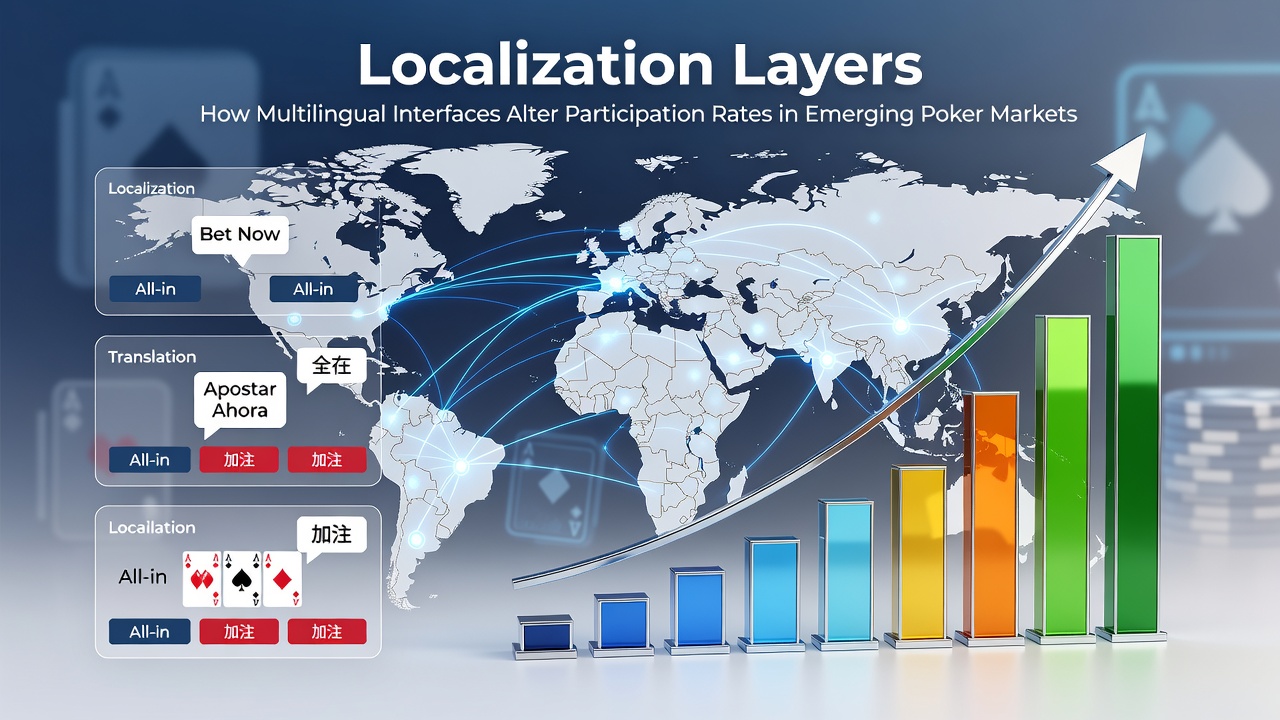
Localization Layers: How Multilingual Interfaces Alter Participation Rates in Emerging Poker Markets
Localization layers in digital poker platforms consist of integrated translation systems, cultural adaptations, and regional formatting tools that convert core interfaces into native languages while preserving game mechanics and regulatory compliance, and these components have demonstrated measurable effects on user acquisition in markets across Latin America, Southeast Asia, and parts of Africa since their wider adoption after 2023.
Technical Structure of Localization Layers
Platforms build localization layers through modular code that handles text strings, date formats, currency displays, and payment gateway integrations simultaneously, which allows operators to activate new language packs without rebuilding entire applications, and researchers at several gaming technology firms have documented how these layers reduce loading times by up to 18 percent compared with earlier manual translation methods. Data from platform analytics in Brazil and Indonesia show that when Spanish and Portuguese options became available alongside English defaults, session initiation rates rose within the first quarter of deployment, while similar patterns appeared after Thai and Vietnamese interfaces launched in Thailand and Vietnam during mid-2025.
Participation Shifts in Key Emerging Regions
Figures released by operators tracking activity in Brazil indicate that Portuguese-language interfaces correlated with a 27 percent increase in new account registrations between January and September 2026, and observers note that this growth occurred alongside regulatory changes that permitted certain online card games under state licensing frameworks. In parallel, Vietnamese and Indonesian markets recorded participation gains after platforms introduced local language support for chat functions and tournament lobbies, with one operator reporting that daily active users in those regions climbed from 12,400 to 19,700 within six months of the update.
Cultural and Functional Adaptations Beyond Translation
Effective localization extends past direct word-for-word conversion to include region-specific avatars, festival-themed table designs, and payment methods familiar to local users, and studies compiled by academic teams at universities in Singapore have tracked how these elements influence time spent on platforms. For instance, platforms that incorporated local currency symbols and banking references saw deposit completion rates improve by 14 percent on average, whereas interfaces retaining only USD or EUR references maintained lower conversion figures. In October 2026 several major networks activated additional layers for Tagalog and Malay, coinciding with expanded marketing campaigns in the Philippines and Malaysia that aligned with existing user habits around mobile banking apps.
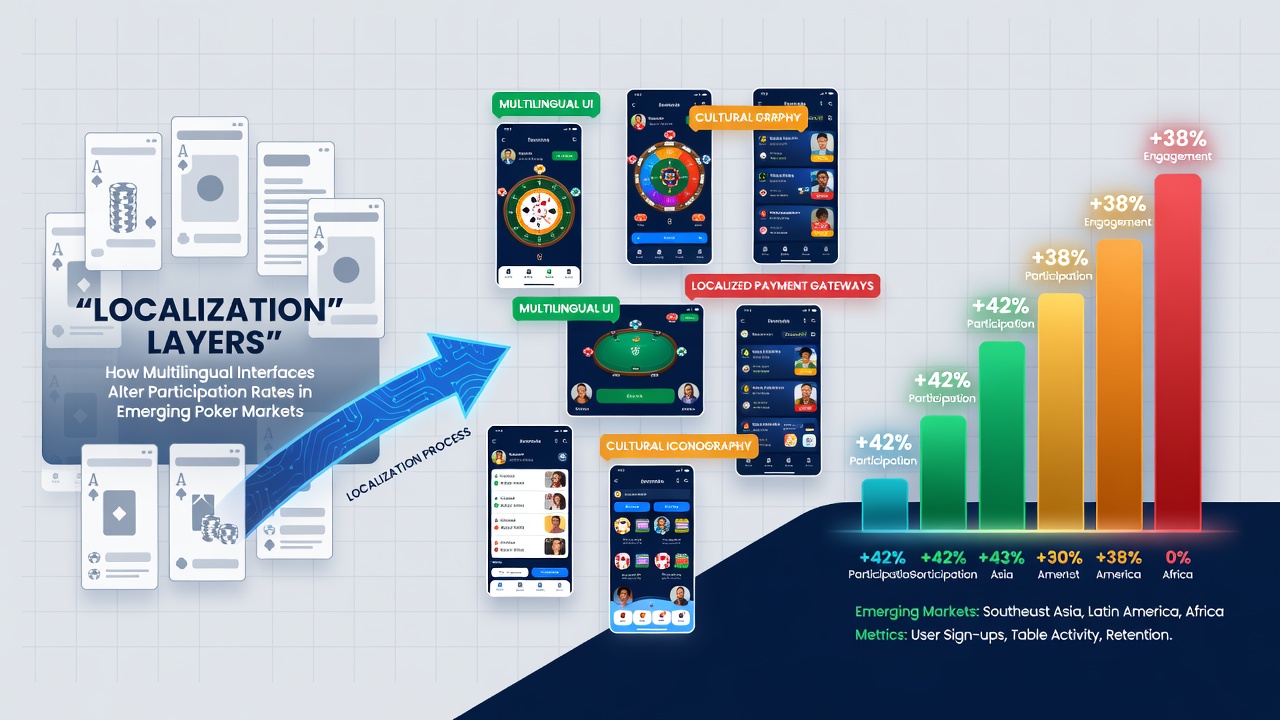
Comparative Data Across Language-Enabled Markets
Analysis of aggregated telemetry from multiple operators reveals that markets with full localization layers sustain higher retention curves than those limited to English-only options, and reports from the Alcohol and Gaming Commission of Ontario on cross-border player behavior highlight similar retention patterns among international users accessing Canadian-regulated platforms. Retention metrics in localized markets show 22 percent longer average session durations after six months, while English-only segments in the same regions experience steeper drop-off after initial trials. Platforms that paired language support with localized customer service channels further extended these effects, producing measurable upticks in repeat deposits during promotional periods.
Regulatory Context and Platform Rollouts
Regulatory bodies in emerging jurisdictions have begun requiring language accessibility standards as part of licensing conditions, and data compiled through industry associations in Australia demonstrate that compliance with these standards precedes higher registration volumes in newly opened markets. Operators that delayed localization updates until after regulatory deadlines encountered slower uptake compared with those that integrated layers during initial market entry. Evidence from platform dashboards indicates that the combination of native-language interfaces and region-appropriate responsible gaming messaging reduces early churn, particularly among users aged 21 to 35 who represent the largest cohort in Southeast Asian markets.
Conclusion
Localization layers continue to function as measurable drivers of participation growth in emerging poker markets by bridging language barriers and aligning interface elements with local expectations, and ongoing platform updates scheduled through late 2026 suggest further refinements in adaptive language detection and real-time cultural content rotation. Continued collection of usage statistics across regions will clarify the long-term relationship between these technical features and sustained user engagement levels.